
Understanding and addressing slipped disc conditions are crucial for maintaining overall spinal health. This article delves into non-surgical treatment options available in Kuala Lumpur, including physiotherapy and pain management medication slip disc treatment kuala lumpur.
Additionally, it emphasizes the importance of lifestyle changes for prevention. Ideal for those seeking non-invasive solutions, this comprehensive guide provides valuable insights into managing and preventing slipped disc complications.

Understanding Slipped Discs
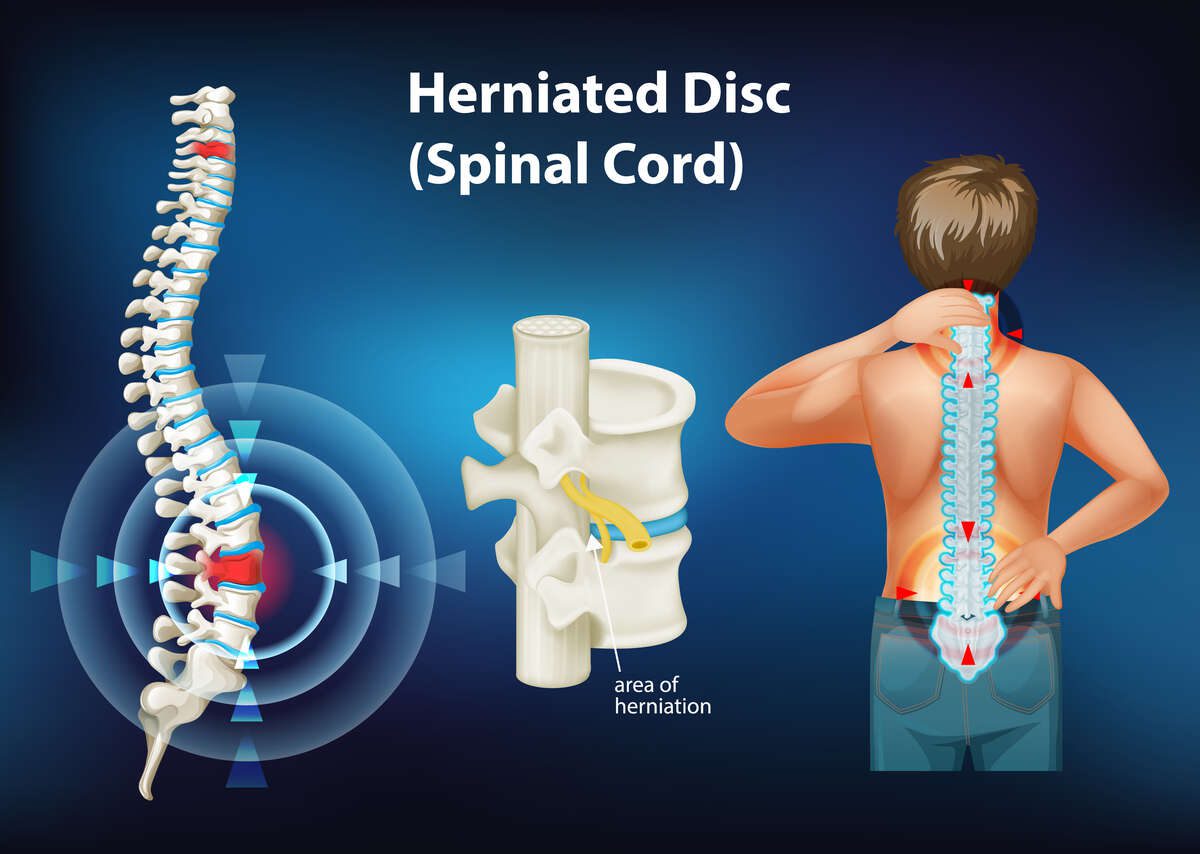
A slipped disc, medically known as a herniated disc, afflicts approximately 20% of adults, dramatically impacting their quality of life and productivity. This condition occurs when the soft cushion between the vertebrae of the spinal column ruptures or slips out of place, causing pain rehabbee, numbness, and possibly weakness in the affected area. The discomfort can be severe and debilitating, restricting mobility and independence.
The most common cause of a slipped disc is age-related wear and tear, also known as disc degeneration. With time, spinal discs lose some of their water content, making them less flexible and more prone to tearing or rupturing with a minor strain or twist. Other risk factors include excessive body weight, which exerts additional stress on the discs, and physically demanding jobs that require heavy lifting.
Non-surgical treatments, ranging from physical therapy to pain medications, can often effectively manage the symptoms. It’s important to seek medical attention promptly to avoid further complications. Ultimately, understanding the nature and causes of slipped discs is the first step to reclaiming your freedom from this debilitating ailment.
Non-Surgical Treatment Overview
Following the understanding of slipped discs, it is now pertinent to delve into the various non-surgical treatment options available to mitigate the associated discomfort and restore mobility. Non-surgical treatments often focus on pain management, strengthening the spinal region, and fostering an environment for the body to heal itself.
One such method is physical therapy, which involves a series of exercises designed to strengthen the back and abdominal muscles, thereby providing better support for the spine. Reducing pressure on the disc can alleviate pain and promote healing.
Chiropractic care is another non-invasive option, where specialists manipulate the spine to relieve pressure on the nerves, reducing discomfort and improving mobility.
In addition, medications such as non-steroidal anti-inflammatory drugs (NSAIDs), nerve pain medications, and muscle relaxants may be prescribed to manage pain and inflammation.
Alternative therapies like acupuncture and yoga have also shown promising results in providing relief from slipped disc symptoms.
Lastly, lifestyle modifications like maintaining a healthy weight, adopting a good posture, and avoiding strenuous activities can prevent further damage and facilitate recovery.
Physiotherapy for Slipped Discs
Under the umbrella of non-surgical treatments for slipped discs, physiotherapy holds a significant position due to its focus on muscle strengthening and pain management. Physiotherapy enables patients to regain flexibility, improve posture, and reduce the likelihood of future disc issues. This non-invasive method is particularly effective in addressing the root cause of the problem rather than merely the symptoms.
Physiotherapy for slipped discs involves a series of targeted exercises that aim to alleviate pressure on the spine, thus reducing pain and promoting healing. Techniques such as spinal mobilization, deep tissue massage, and hydrotherapy may be incorporated into the treatment plan. These are designed to increase blood circulation around the disc, decreasing inflammation and aiding in the body’s natural healing process.
Moreover, physiotherapists educate patients about safe movements and postures to prevent further strain on the affected area. They also provide advice on lifestyle changes, including diet and exercise, which can contribute to overall spine health.
Pain Management Medication
Prescribing appropriate pain management medication plays a crucial role in the non-surgical treatment of slipped discs. It is a key component in helping patients regain mobility, freedom, and overall quality of life. The goal is to control discomfort and inflammation, thus enabling patients to participate actively in other rehabilitation therapies such as physiotherapy and exercise.
The choice of medication can vary depending on the intensity of pain, the patient’s overall health condition, and their tolerance to specific drugs. Commonly prescribed medications include Non-Steroidal Anti-Inflammatory Drugs (NSAIDs) like ibuprofen, which reduce inflammation and pain; analgesics such as paracetamol for pain relief; and muscle relaxants to ease muscle spasms often associated with a slipped disc.
In some cases, stronger drugs like opioids might be prescribed for severe pain, but these are usually a last resort due to their potential for addiction and side effects. Corticosteroids, either taken orally or injected directly into the affected area, can also be used to reduce severe inflammation.
The use of these medications should be closely monitored by a healthcare professional to manage any potential side effects and to evaluate their efficacy. The ultimate goal is to achieve pain relief, enabling active participation in healing and recovery.
Lifestyle Changes and Prevention
In addition to utilizing pain management medications, adopting certain lifestyle changes and preventive measures can significantly contribute to the non-surgical treatment of slipped discs. One of these changes involves maintaining a healthy weight, as excess body weight puts additional pressure on the spine, increasing the risk of disc problems. Regular physical exercise, particularly activities that strengthen the core muscles, helps support the spine and prevent disc slippage.
Another important lifestyle change is to adopt proper postures, especially while sitting for extended periods, to reduce spinal strain. Ergonomic chairs and standing desks can be beneficial in this regard. Equally important is to lift objects correctly, using the power of the legs rather than the back.
Smoking cessation is also recommended as nicotine can decrease bone density and damage spinal discs. Lastly, a balanced diet rich in calcium and vitamin D is crucial for bone health and to prevent potential disc problems.
Conclusion
In conclusion, non-surgical treatment options for slipped discs in Kuala Lumpur encompass physiotherapy, pain management medication, and lifestyle modifications. These interventions offer significant relief, enhance mobility, and improve quality of life.
Emphasizing on prevention through lifestyle changes and early intervention can reduce the incidence and severity of slipped discs. Hence, concerted efforts should be made to educate the public about these non-surgical treatments and preventive measures.